Honoring Wildlife: Snow Leopard
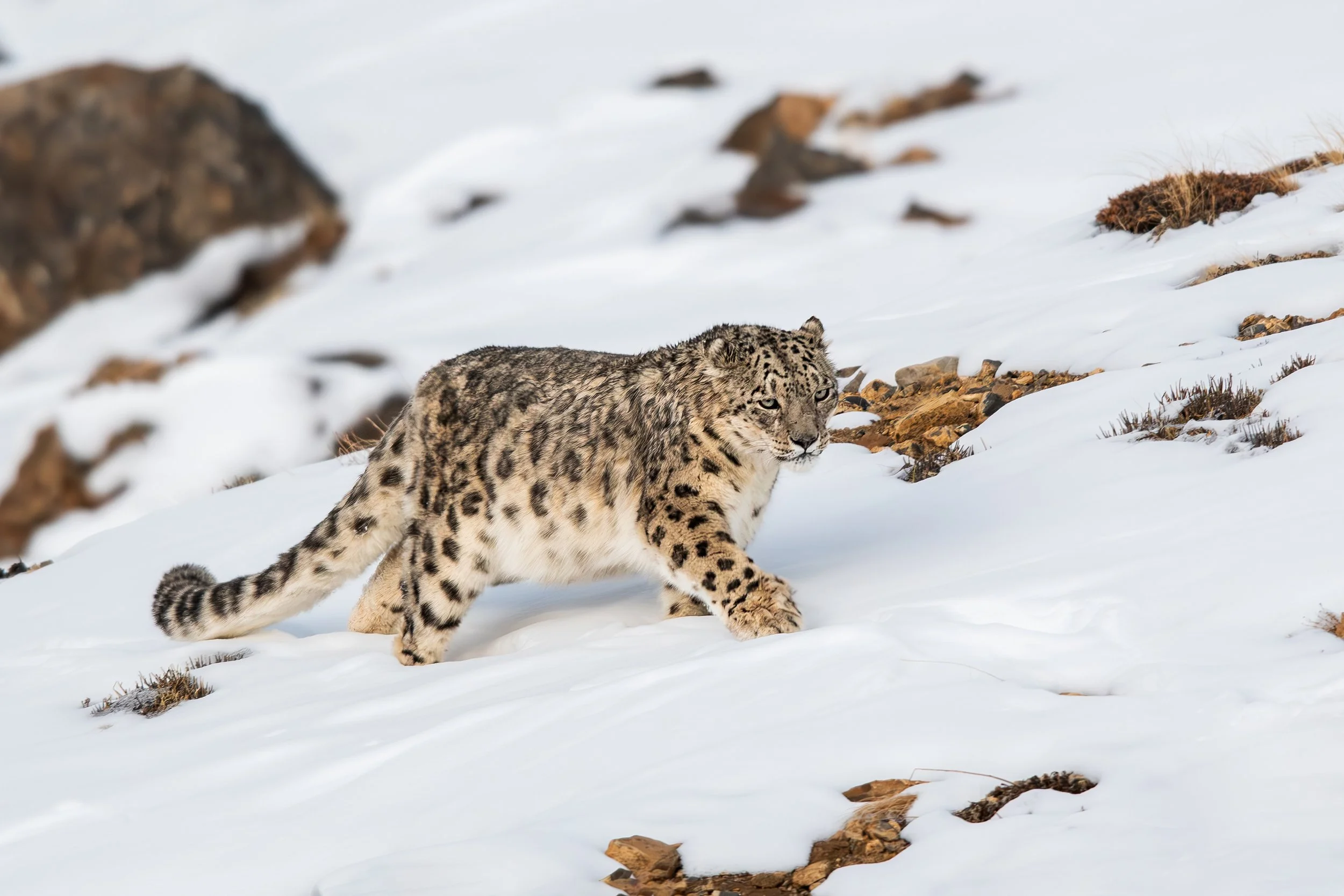
Deep in the remote mountains of the Indian Himalayas lives one of the world’s most elusive predators: the snow leopard.
Finding one requires patience, experience, and time in the field.
In January 2027, Amos Nachoum and Big Animals Expeditions will travel with just four guests into Spiti Valley.
Twelve full field days allow the team to respond to tracking activity and changing conditions rather than rush from one location to another.
The expedition is designed for committed wildlife photographers and nature enthusiasts who value observation, patience and the experience of being in one of the Himalayas’ most extraordinary winter landscapes.
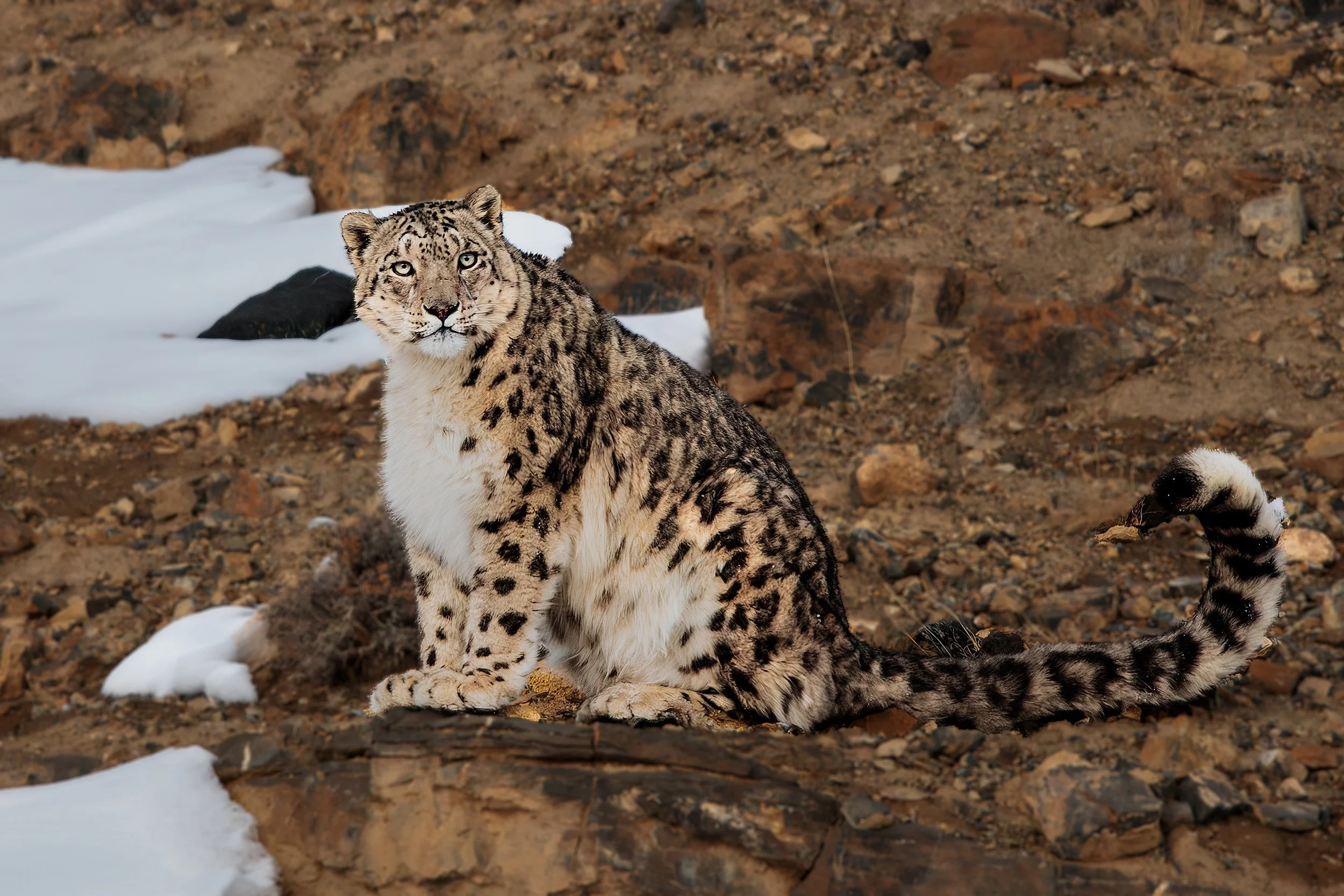
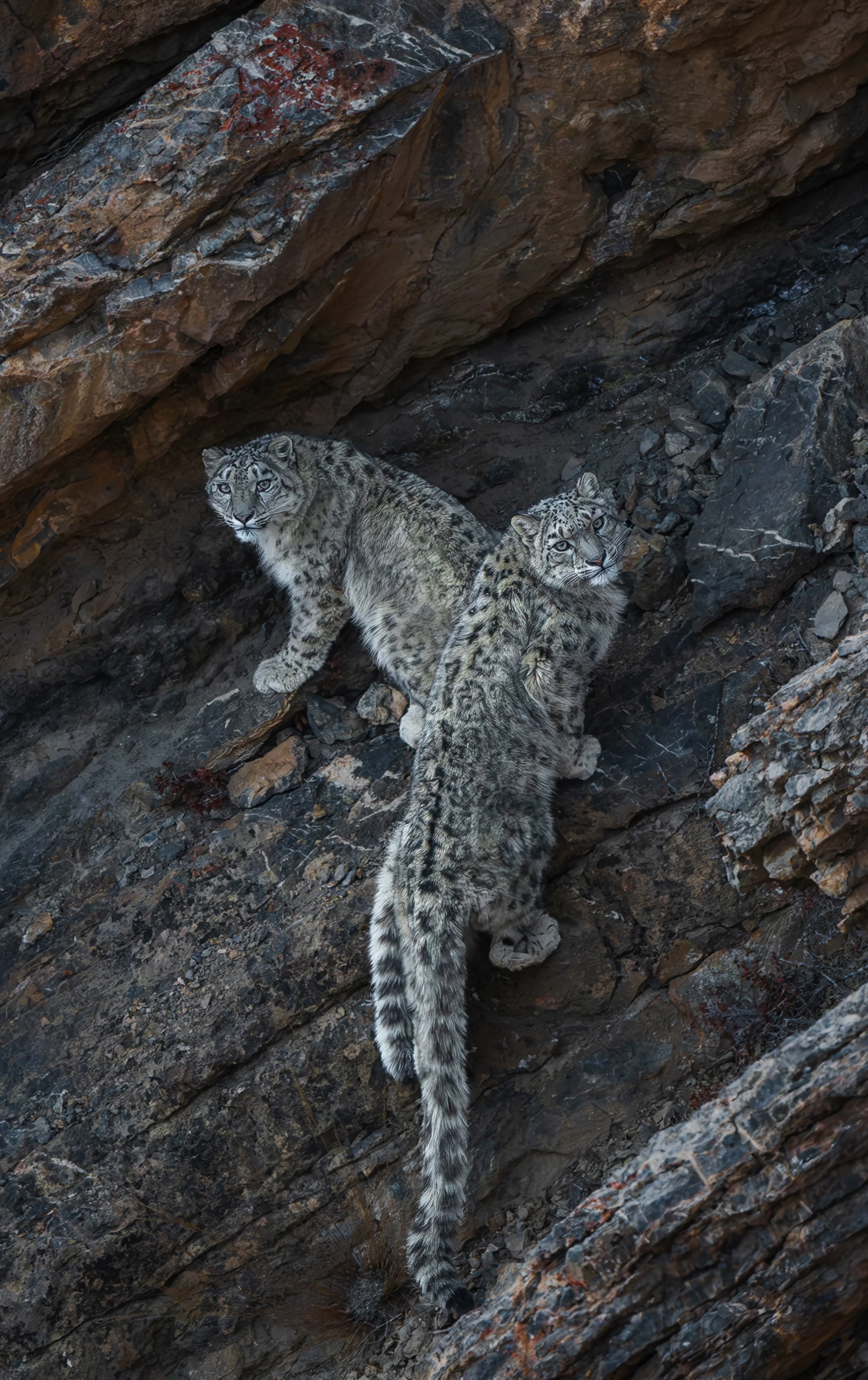
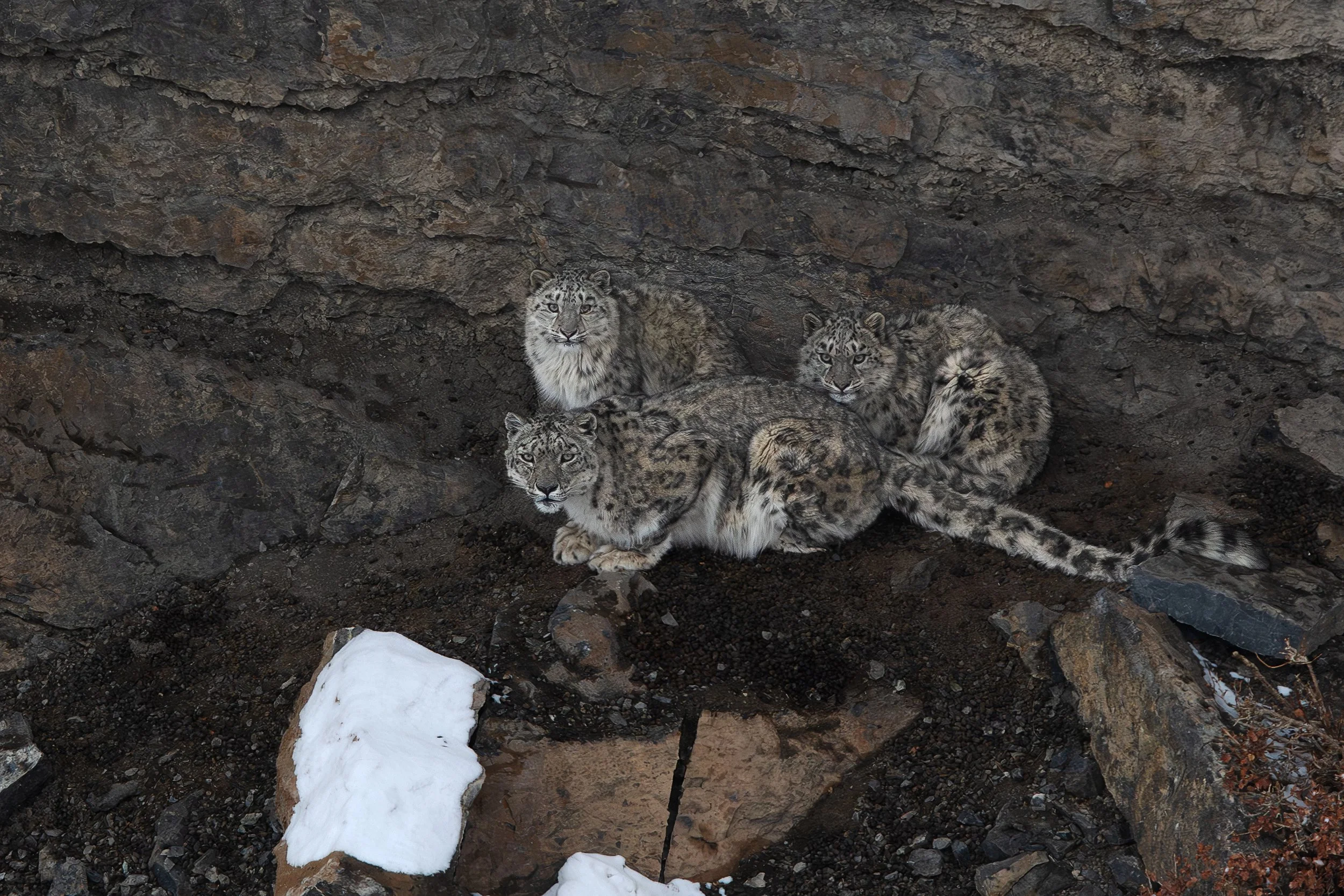
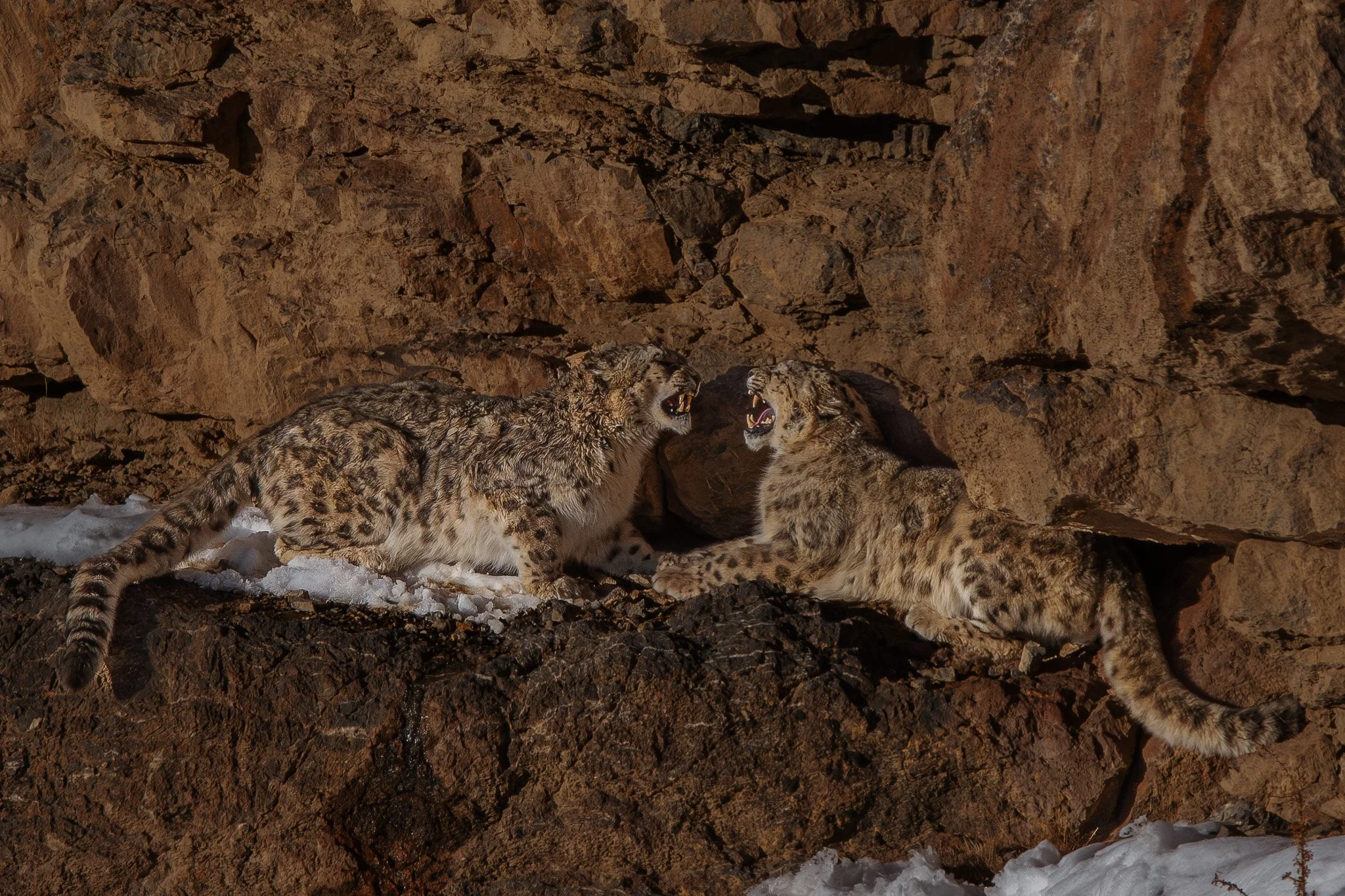
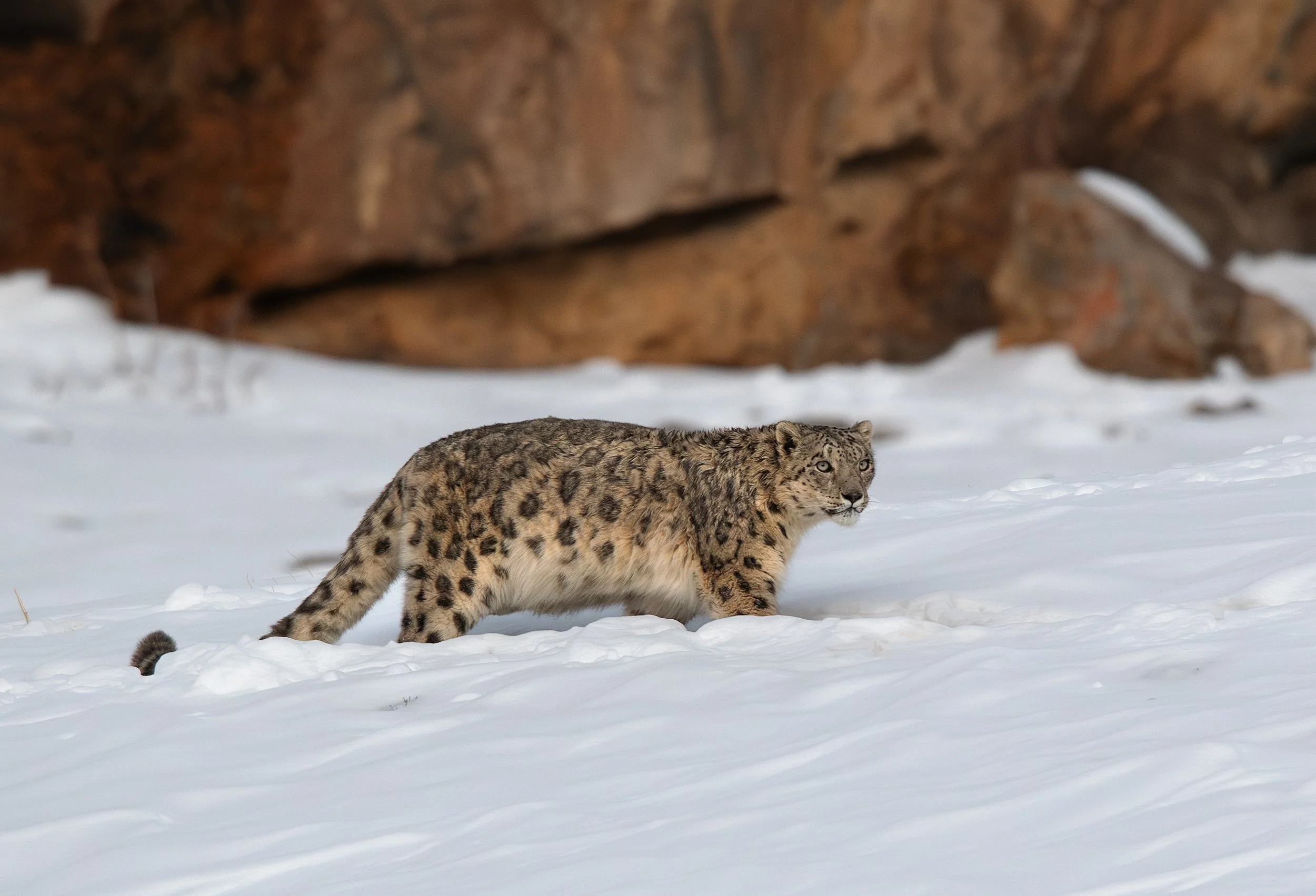
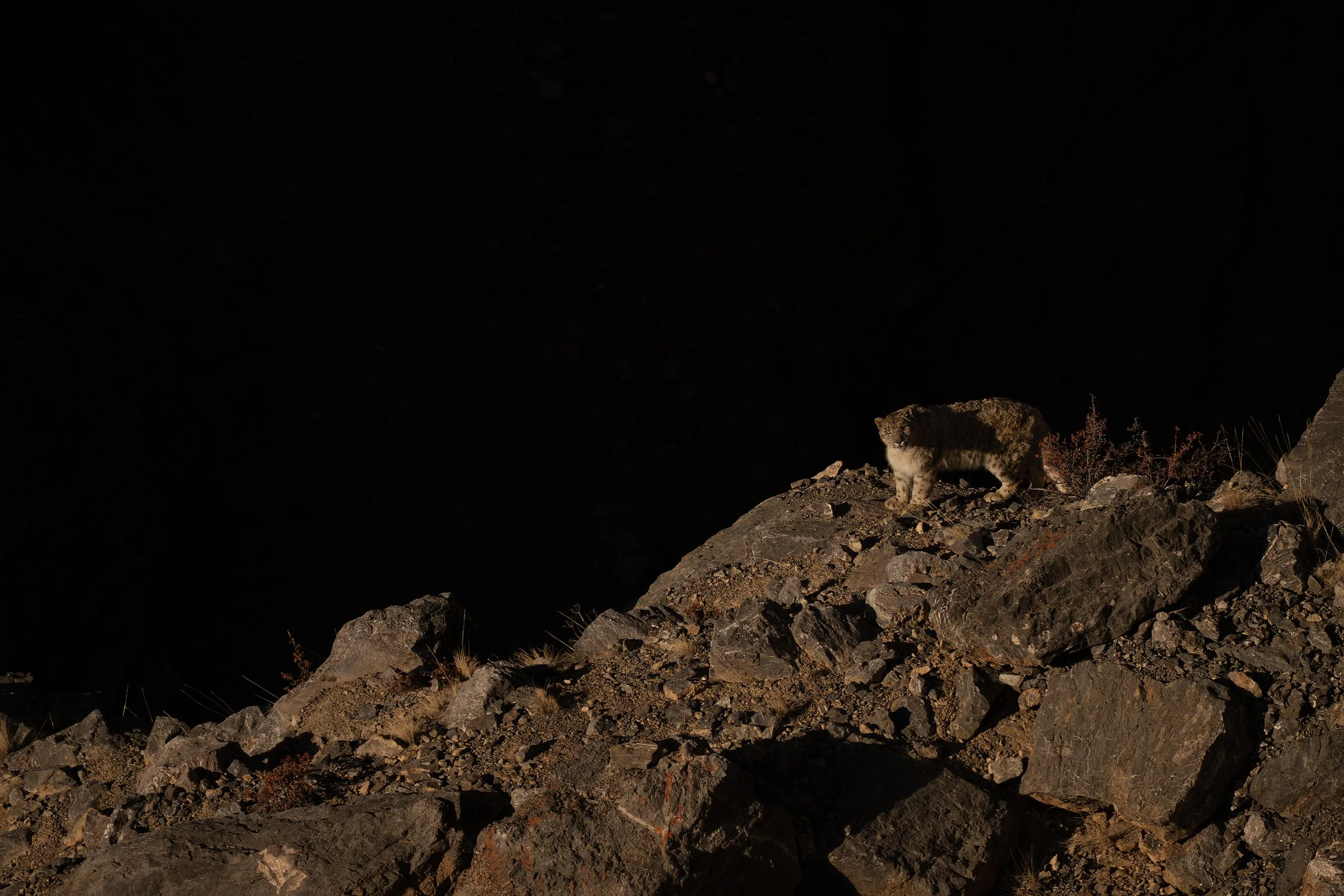
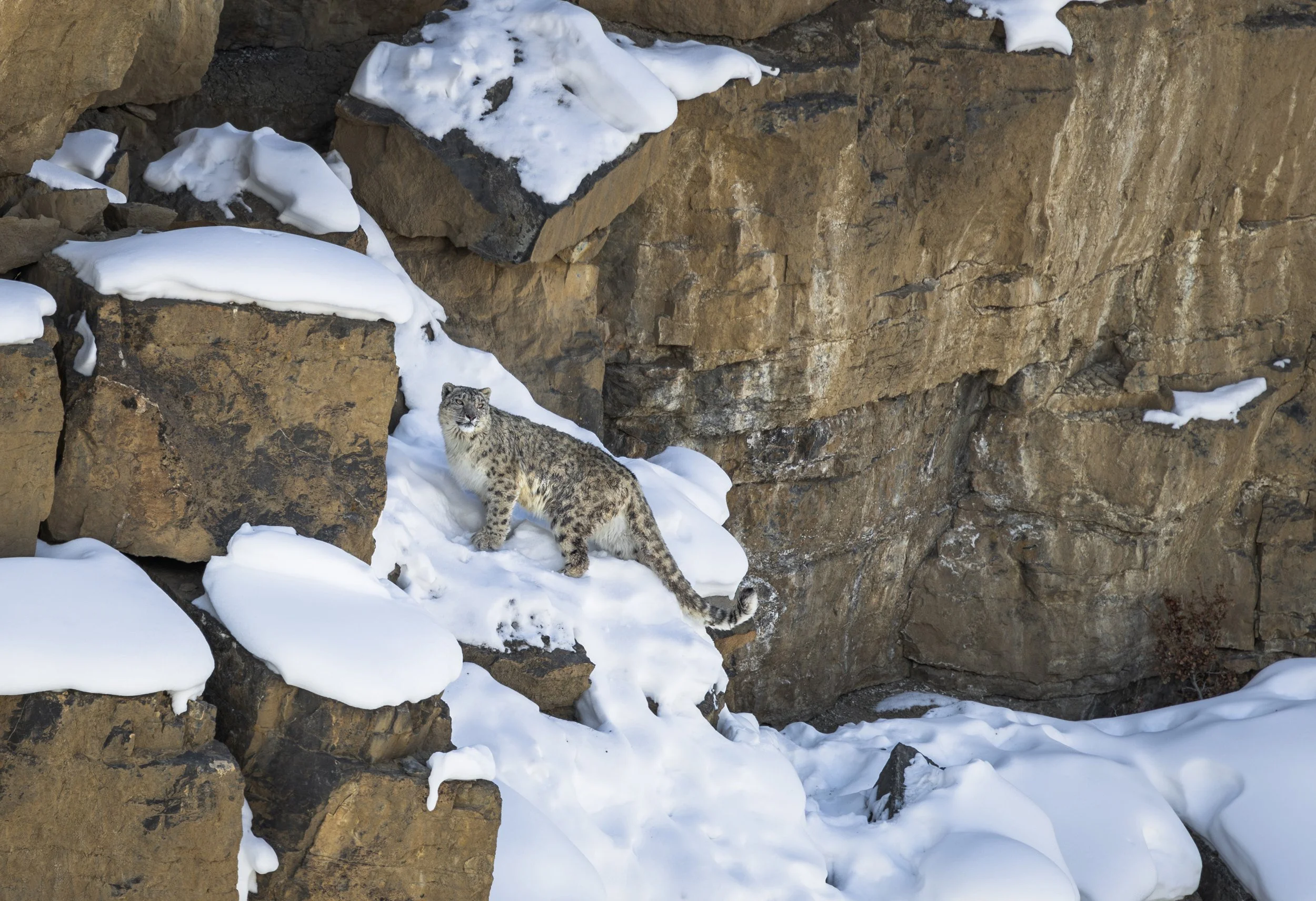
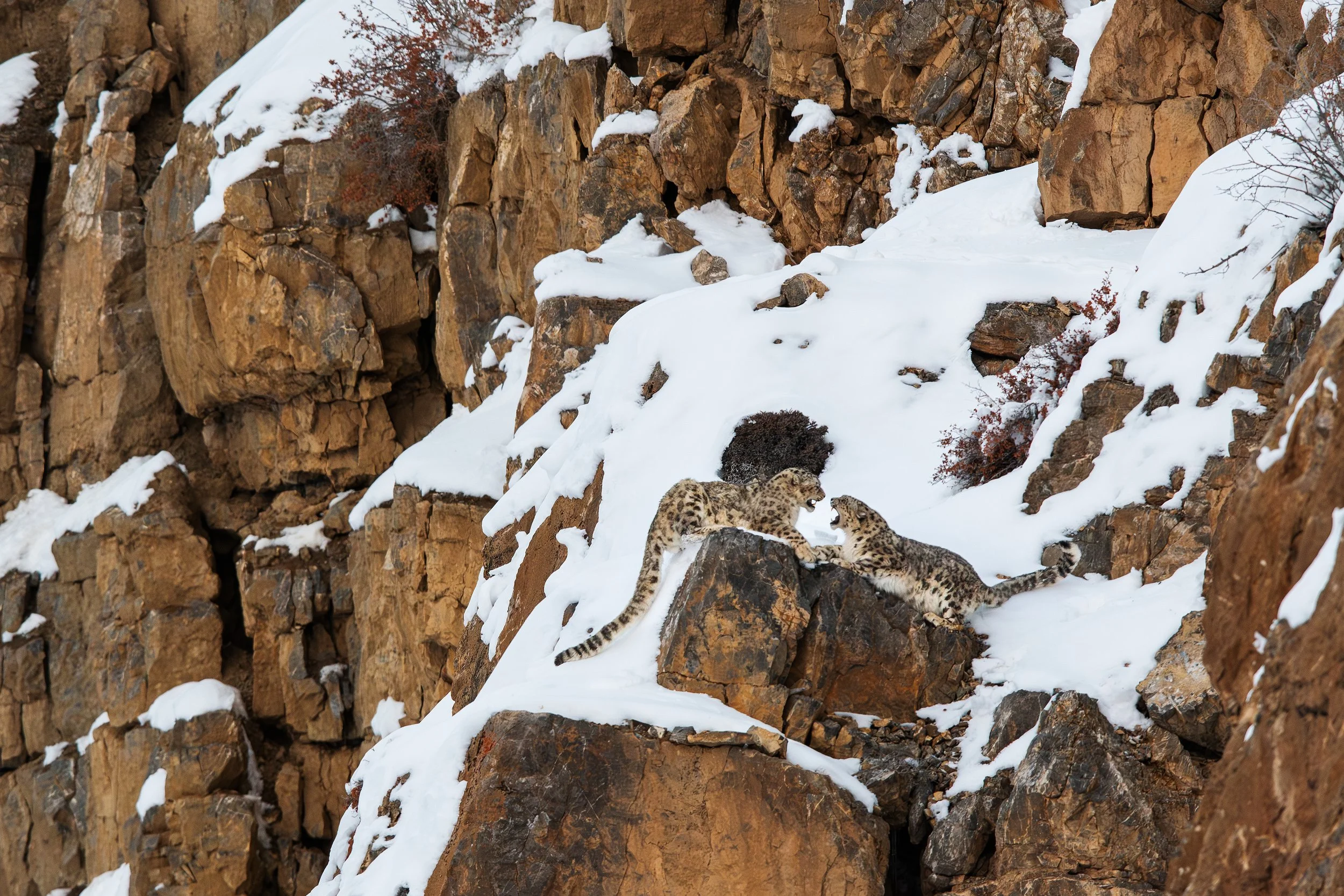
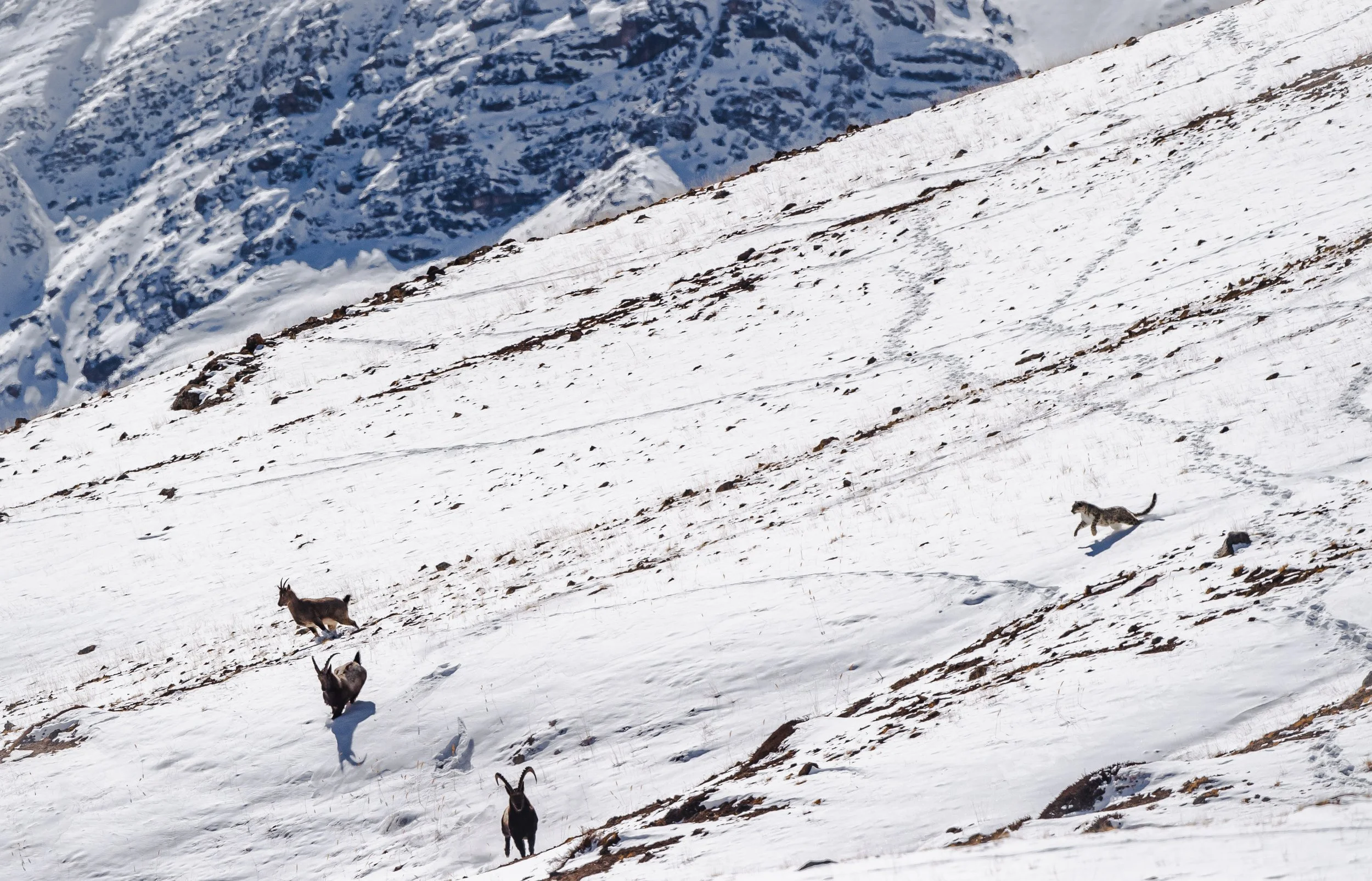
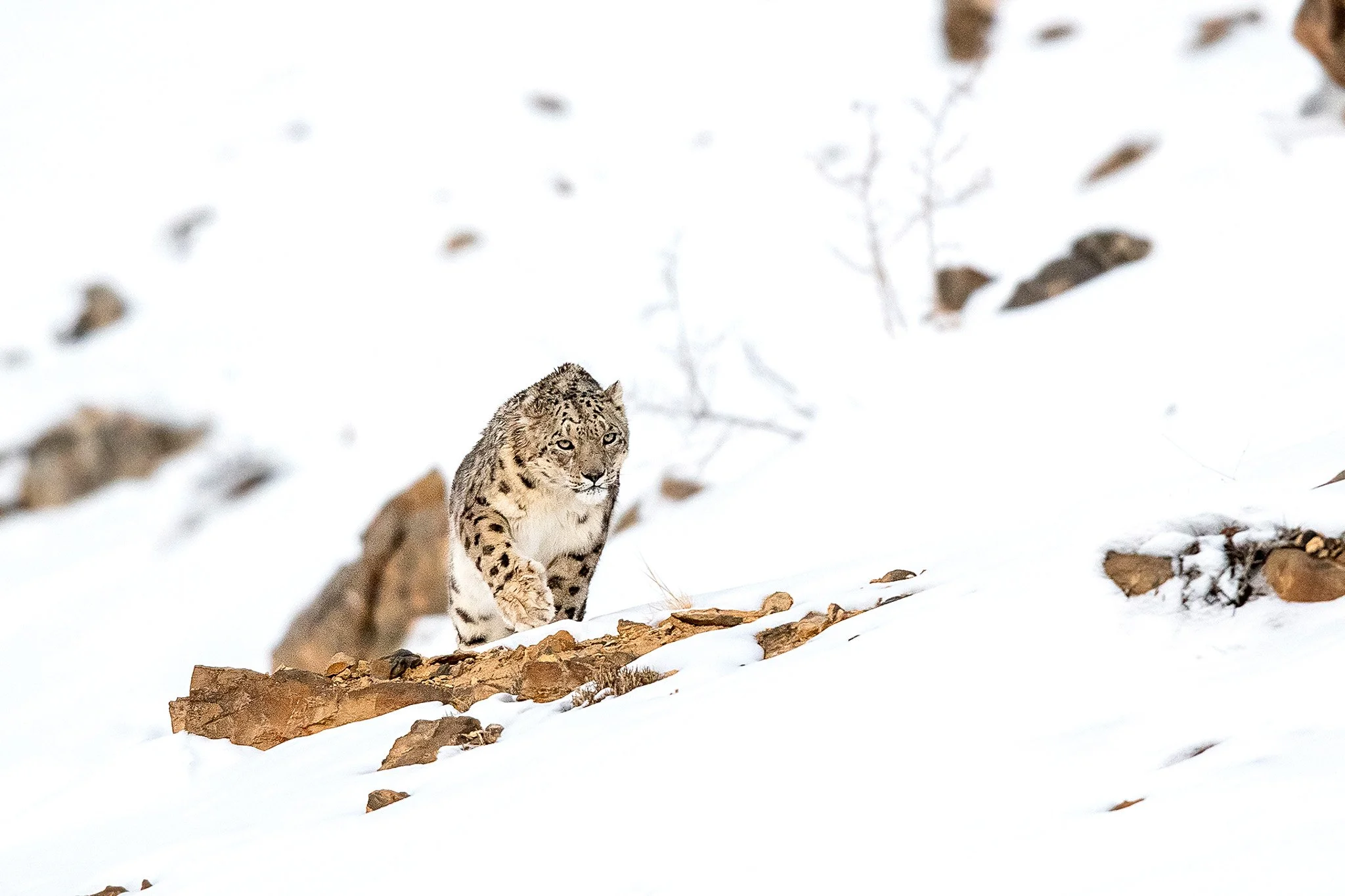
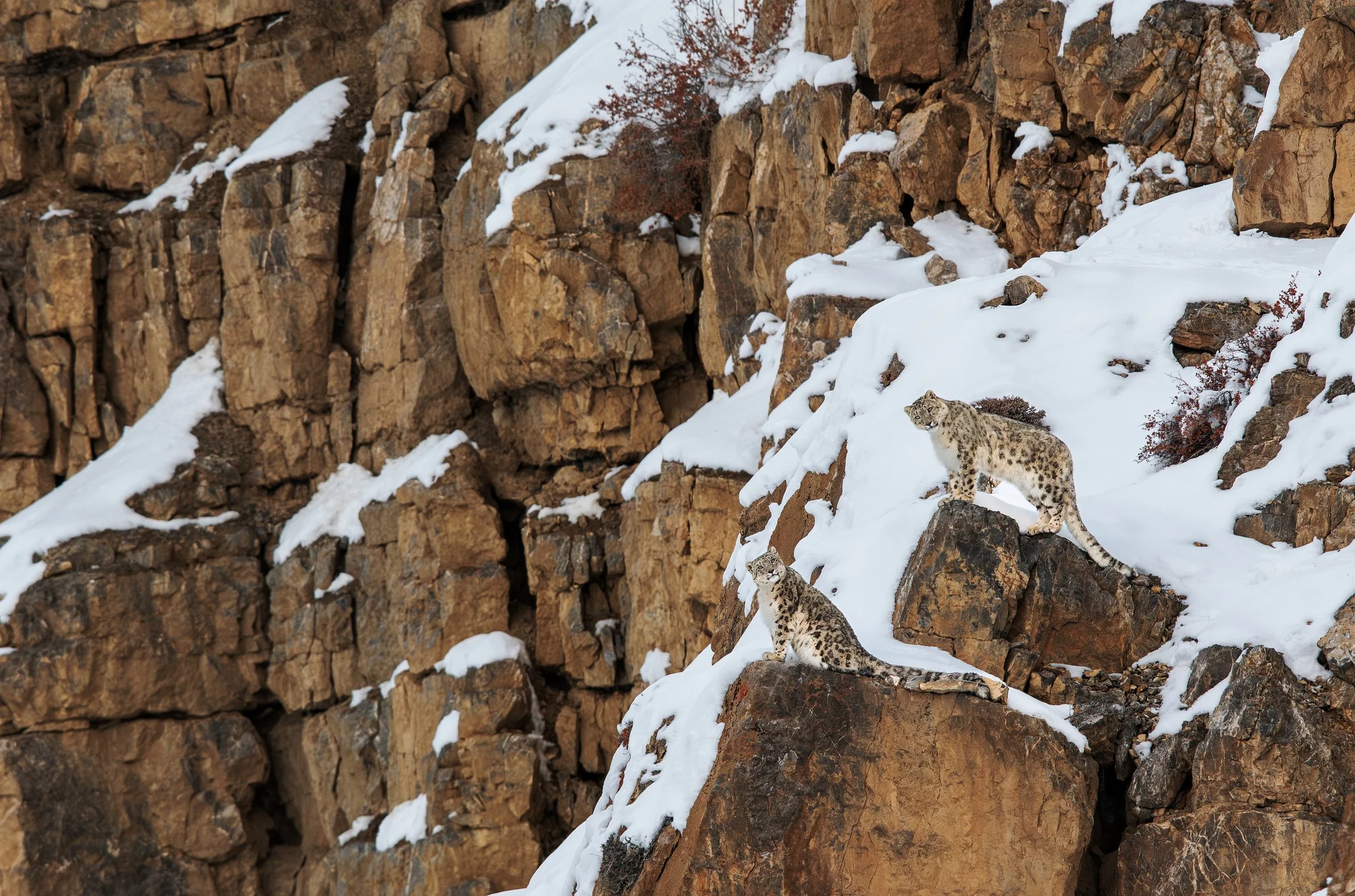
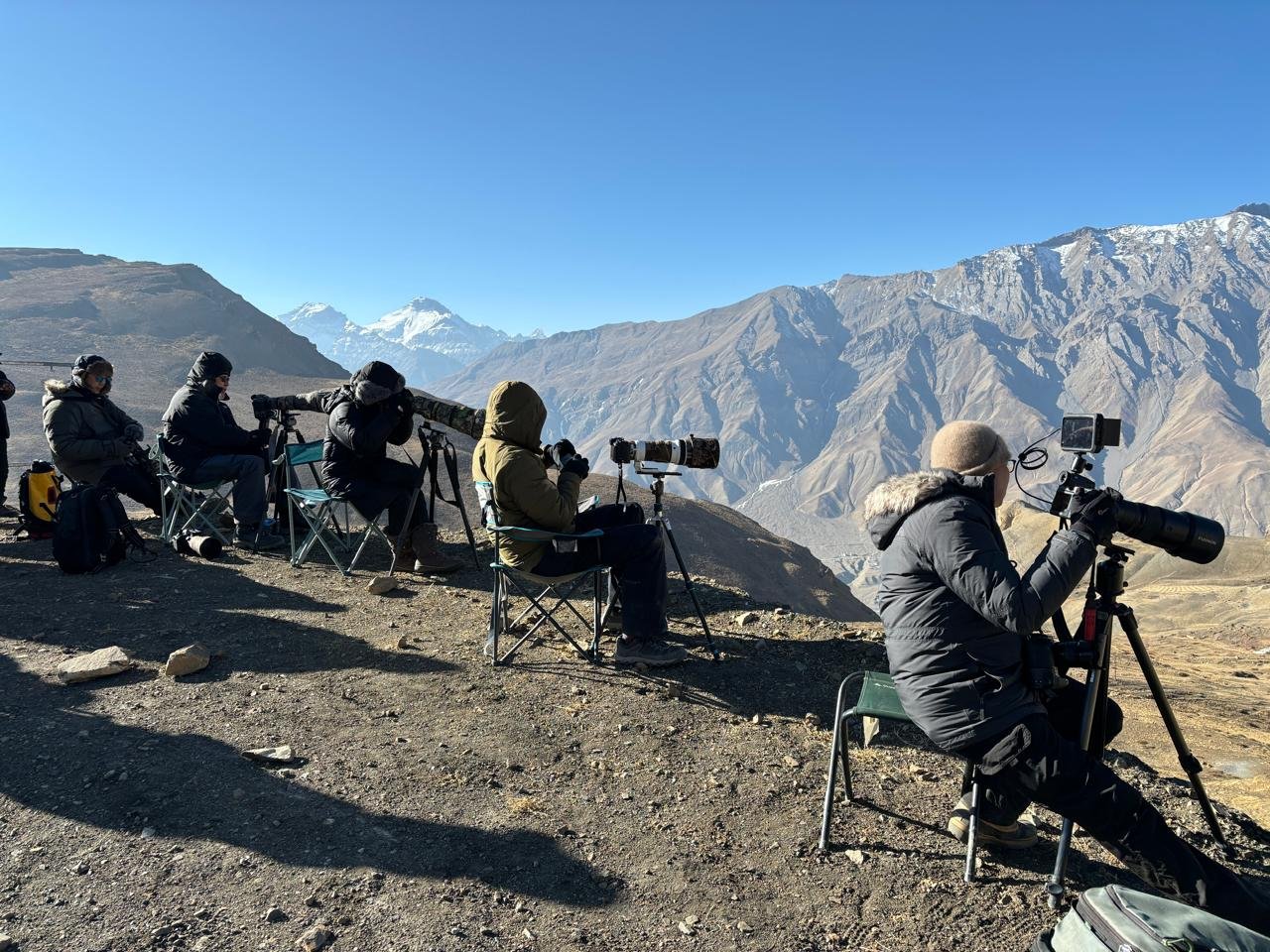
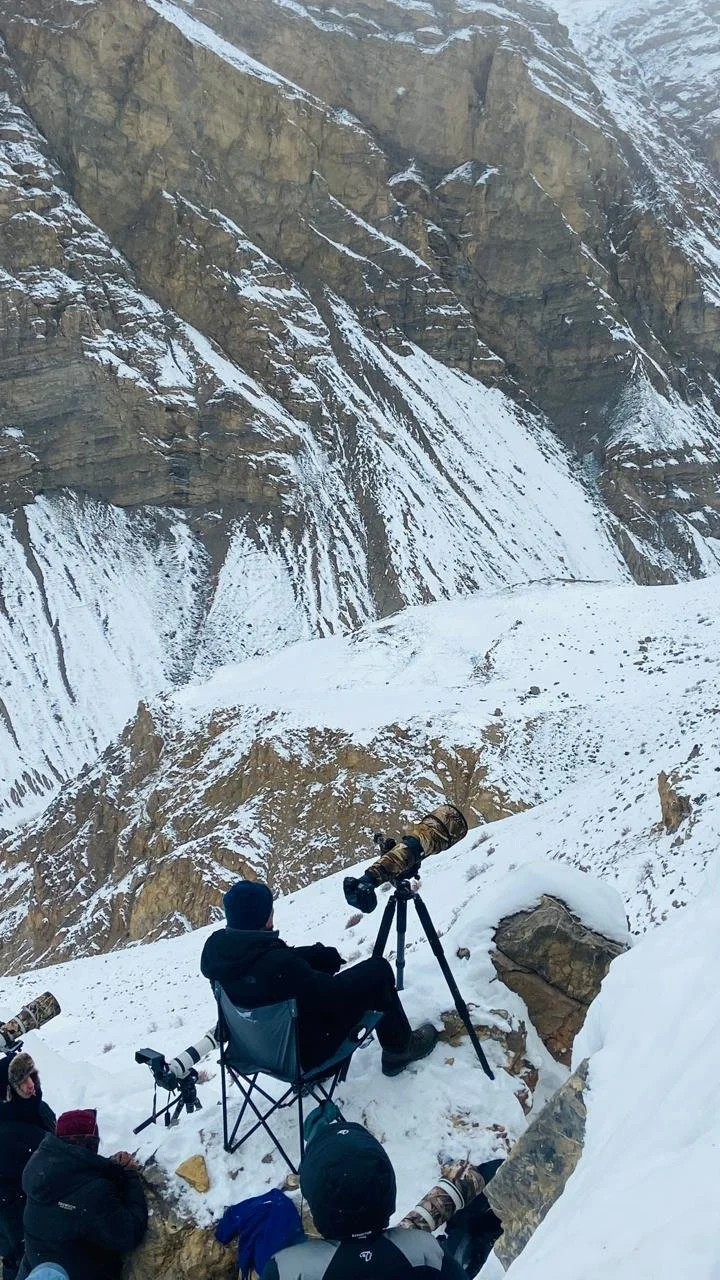
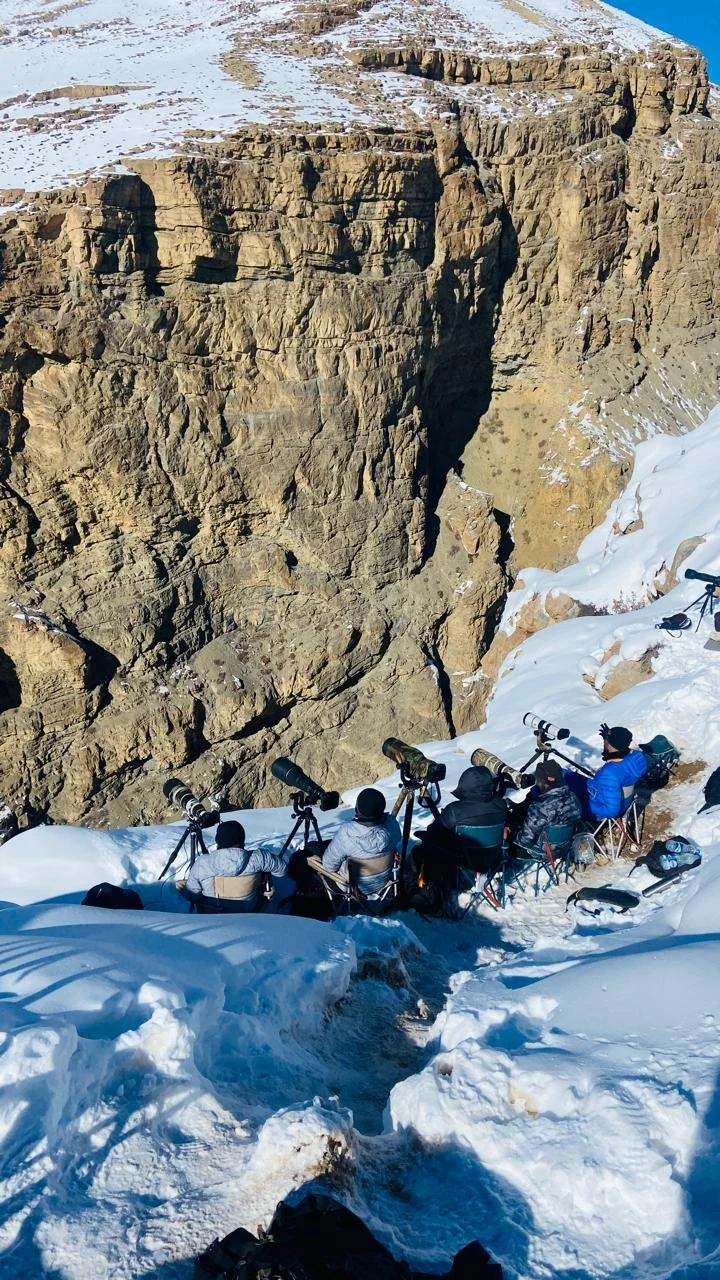
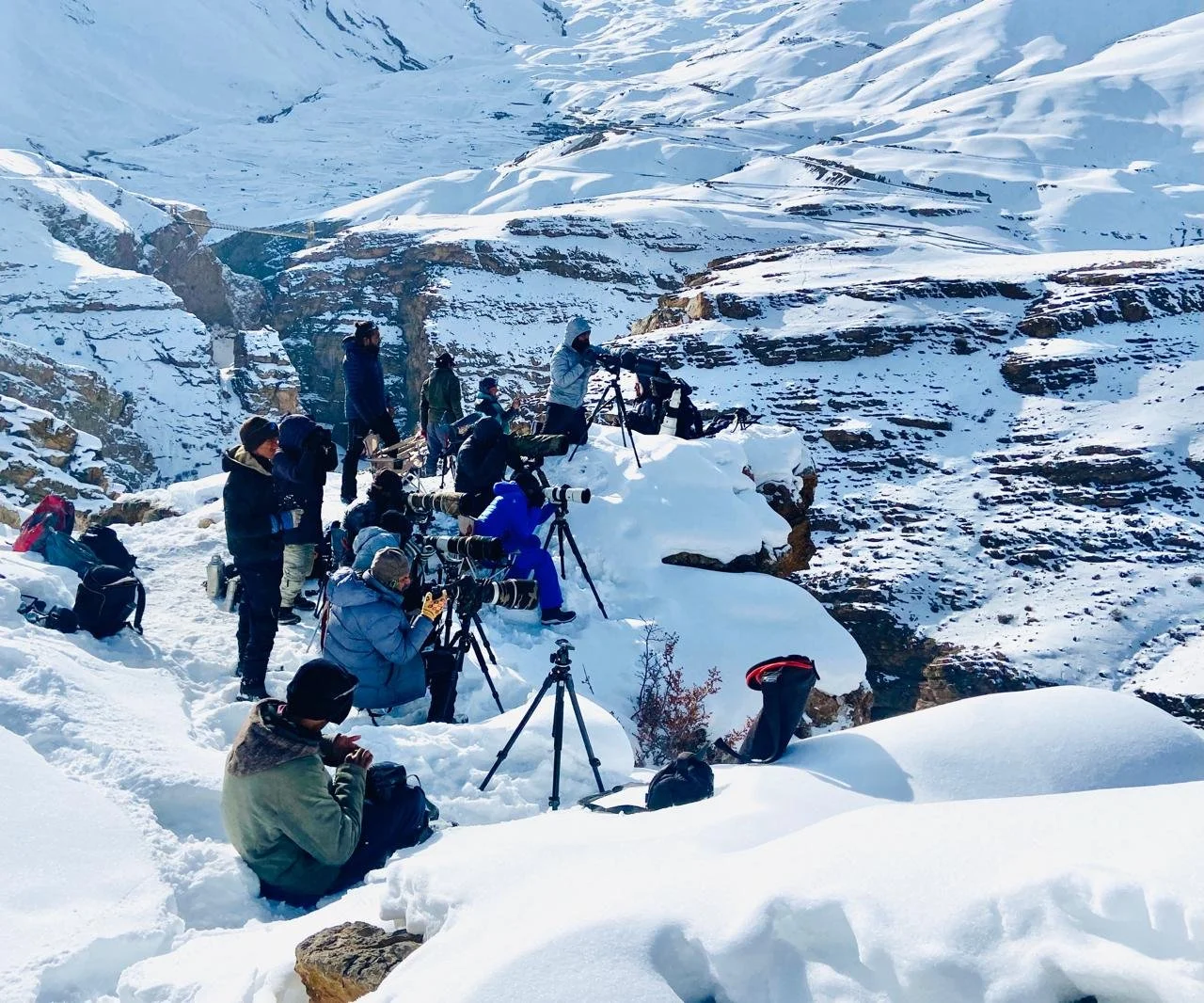
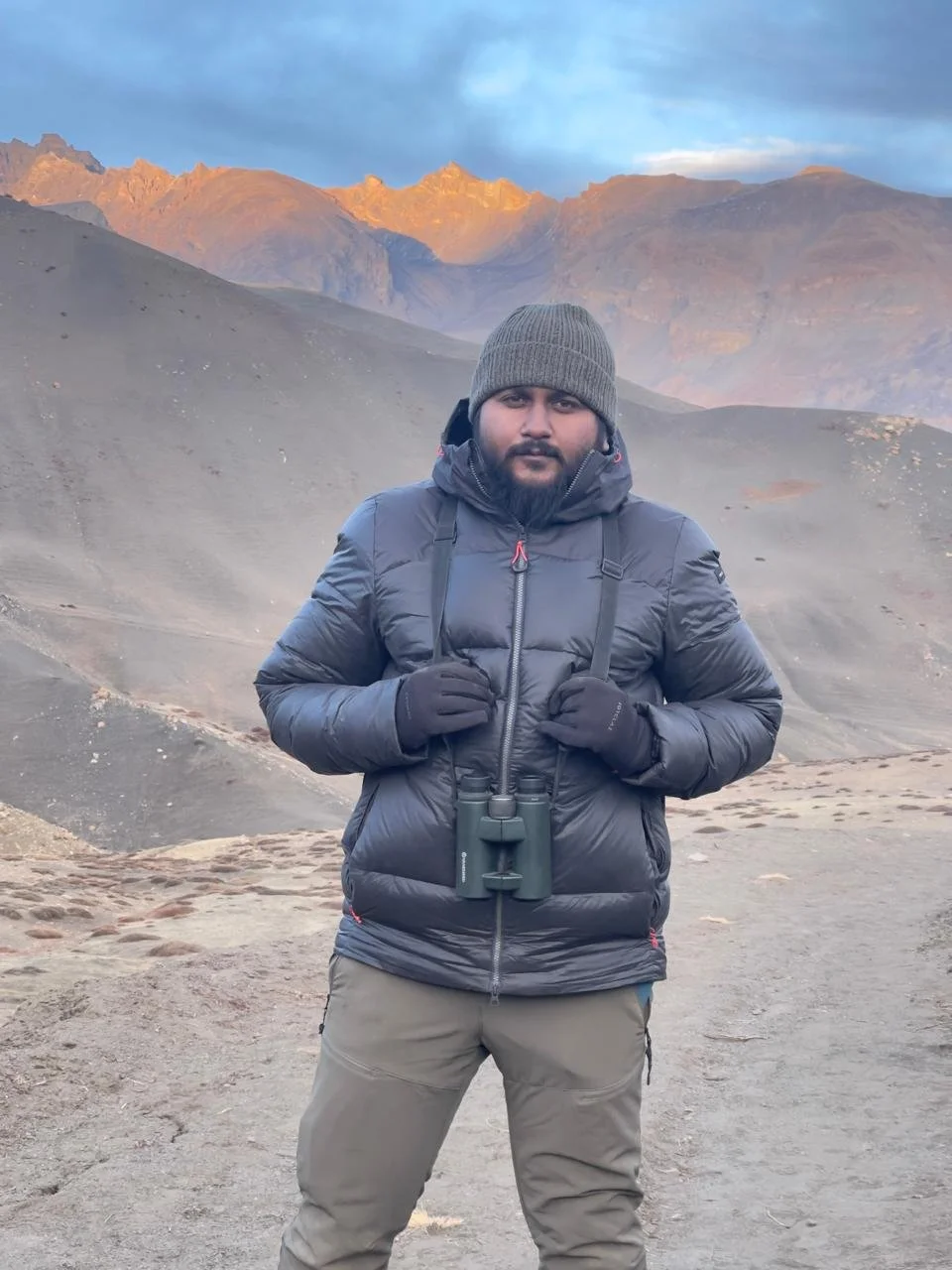
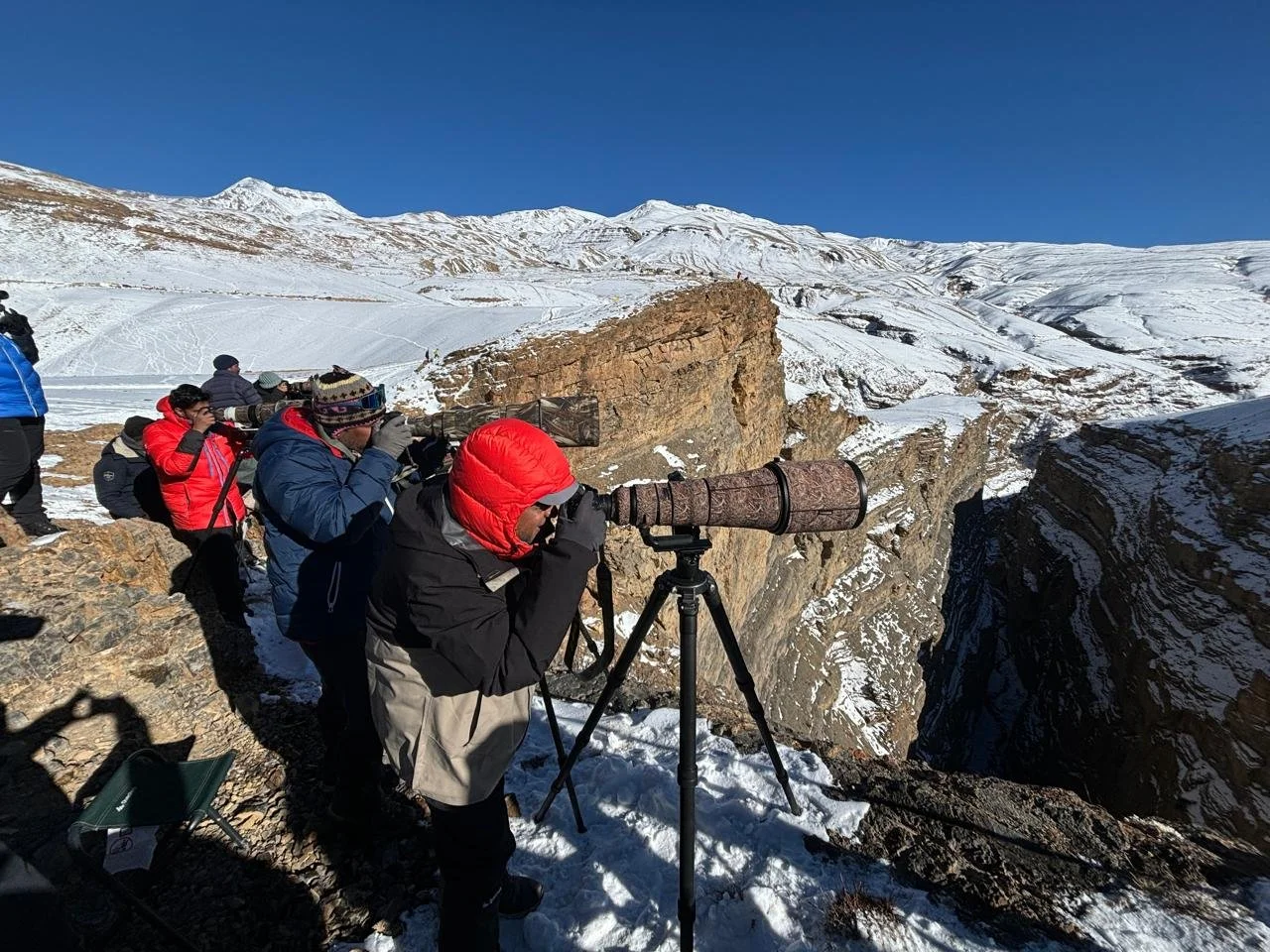
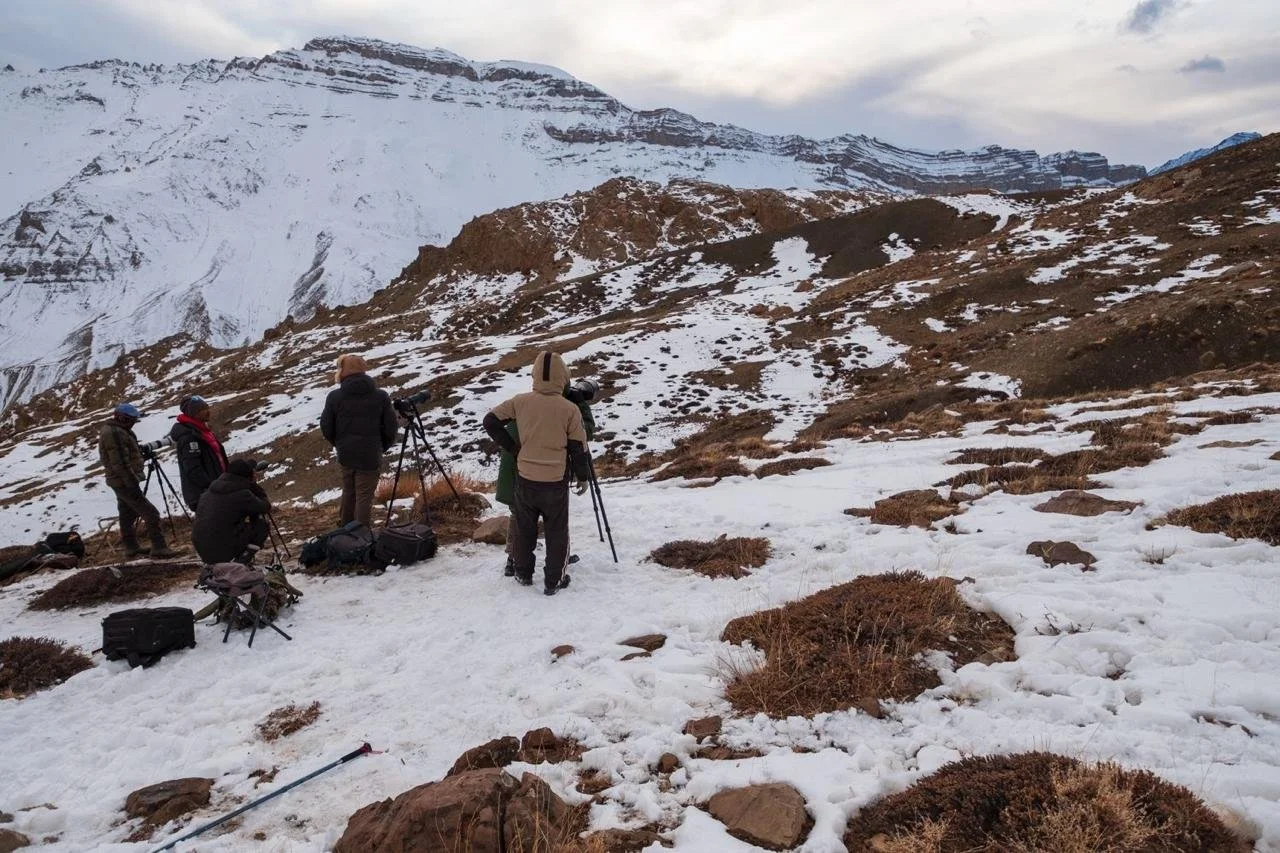
Photo credit: Sourav Mondal
Accommodation
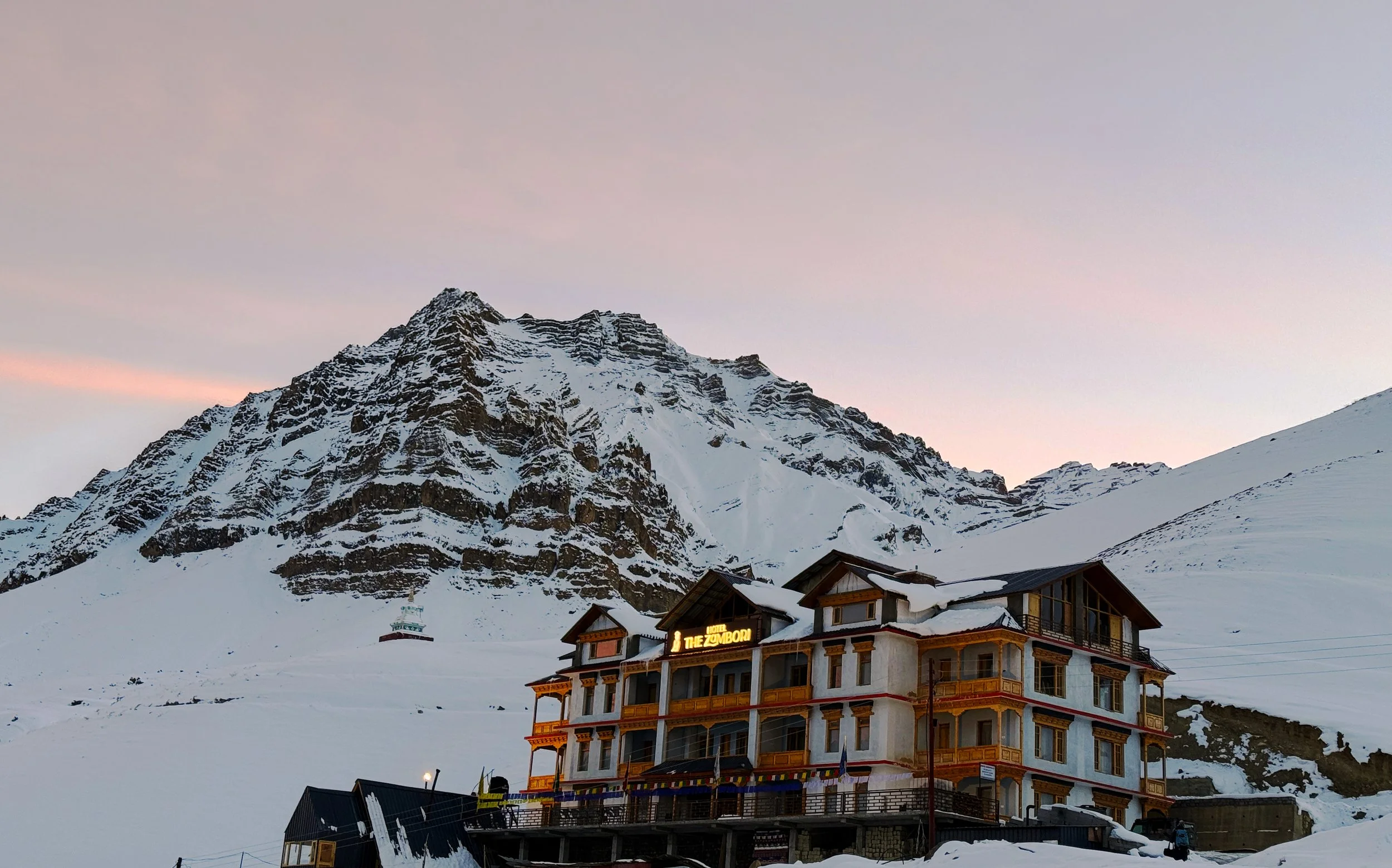
RANGRIK LODGE
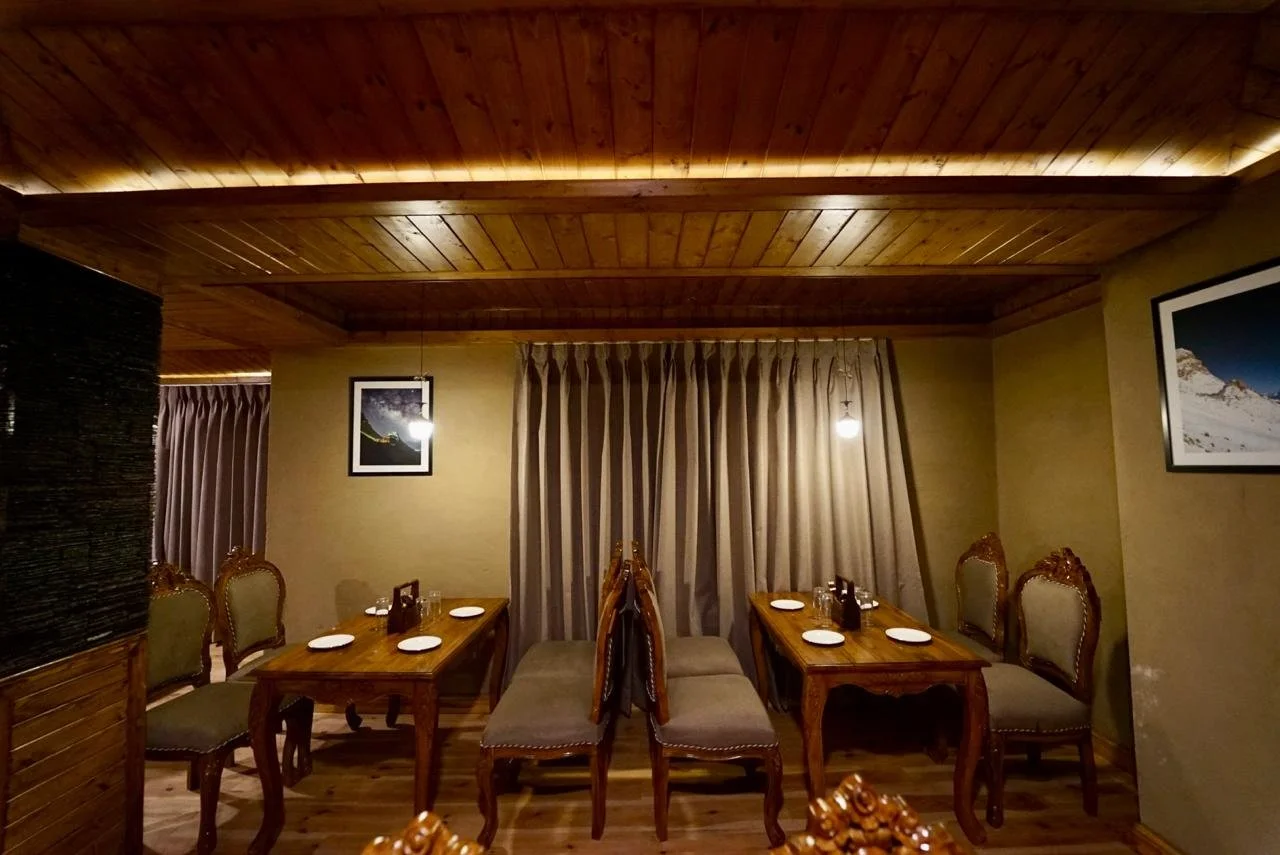
The group will spend thirteen nights in a heated lodge in Rangrik, with running hot water and twin-share rooms. The normal drive to snow leopard tracking areas is approximately 30-40 minutes, although routes depend on wildlife activity, access and weather.
After long days in the field, the lodge provides a warm base where meals are served and equipment can be prepared for the following day.
MEALS AND FIELD SUPPORT
Breakfast, lunch and dinner are included during the lodge and hotel stays, with field meals arranged around the tracking schedule. Each guest has a personal helper/porter, supported by experienced trackers, a local guide and a naturalist.


INCLUDED
• 15 nights: 13 Rangrik + 2 Rampur Bushahr
• Breakfast, lunch and dinner during lodge/hotel
stays
• 12 full snow leopard tracking days
• Toyota 4x4 transport during the tour
• Kibber Wildlife Sanctuary and village ecotourism
permits
• Personal helper/porter for each guest and tour
leader
• Experienced trackers, local guide and naturalist
• Photography guidance with Amos Nachoum
NOT INCLUDED
• Delhi accommodation
• International and domestic flights
• Beverages and special food requests
• Travel, medical and evacuation insurance
• Evacuation or disruption-related costs
• Gratuities and personal expenses
• Additional village permits outside Kibber
• Any service not specifically listed as included
EXPEDITION LEADER
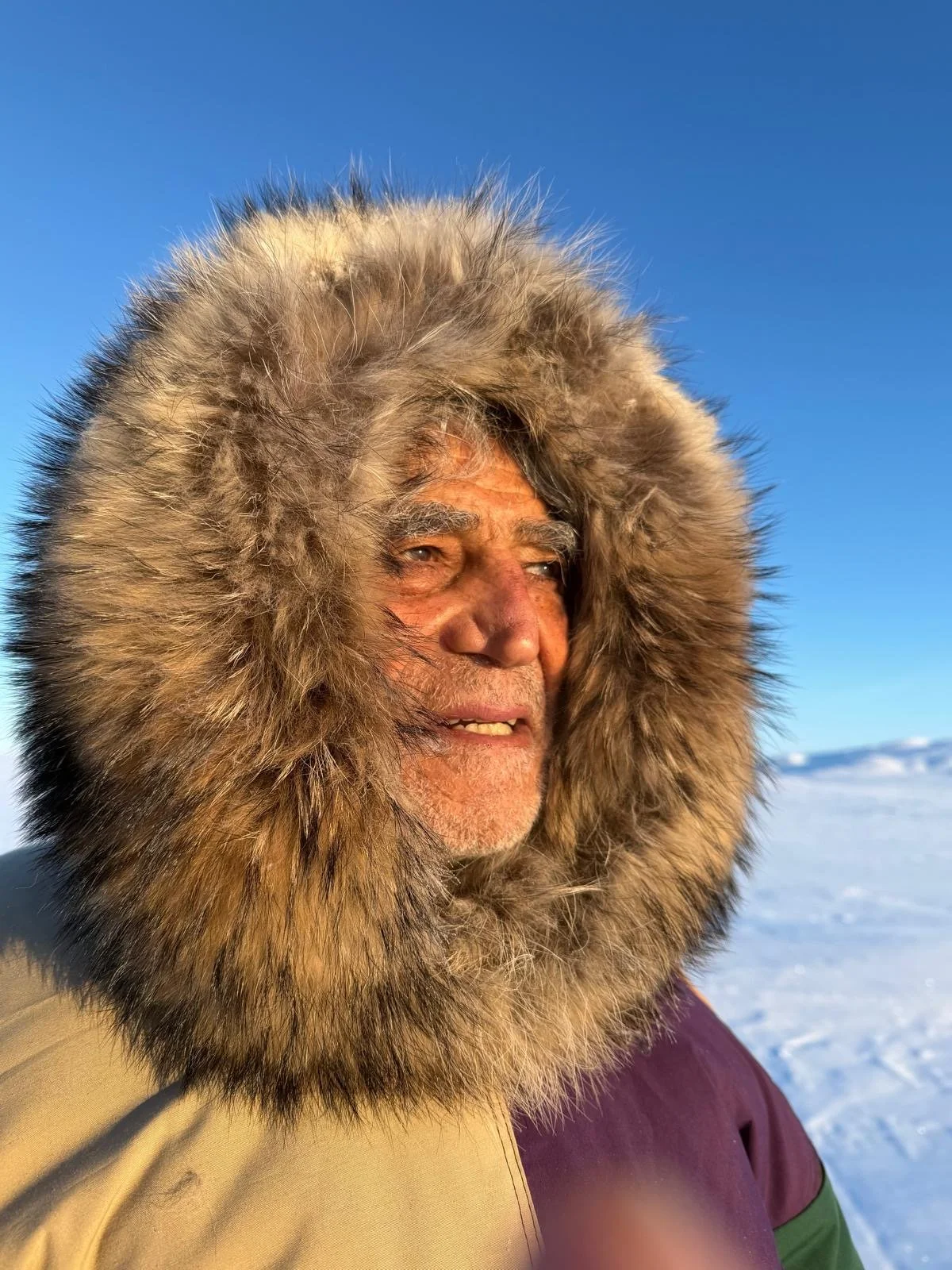
Amos Nachoum is a distinguished figure in wildlife and underwater photography, seamlessly combining exploration and artistry for over 45 years. His dedication to capturing the essence of marine life has garnered him prestigious accolades, including twice winning the BBC Wildlife Photographer of the Year in animal behavior and the Siena Photo Competition in ‘Animals in Their Environment’ category.
Amos’s photographic excellence has earned him the title of Nature Photographer of the Year 2021 by Wilderness Photography. His impact on the artistic and conservation communities has been recognized with the NOGI Award in Art, solidifying his status as a leader in his field. His works have graced prominent publications like National Geographic, Time, and The New York Times, showcasing his ability to tell compelling visual stories.
In 2019, his documentary “Picture of His Life” unveiled his relentless pursuit of excellence and his commitment to marine conservation. As the founder of Big Animals Expeditions, he leads private expeditions, ensuring safe and intimate wildlife encounters during peak seasons. These expeditions, whether on land or in the ocean, reflect his immaculate safety record and deep respect for the natural world.
By choosing to embark on an expedition with Amos, adventurers open themselves up to a transformative experience. They learn from a maestro whose life’s work resonates with the pulse of the oceans and the dance of wildlife across diverse habitats. Whether a seasoned photographer or a nature enthusiast, participants in Amos’s expeditions gain unparalleled insight and a unique opportunity to connect with the wild.
Additionally, his work in marine conservation and education has not gone unnoticed. Amos has been named Seakeepers’ Man of the Year, acknowledging his unwavering commitment to the ocean and its inhabitants. Through his expeditions, workshops, and storytelling, he continues to inspire, educate, and ignite a passion for conservation in hearts worldwide.